
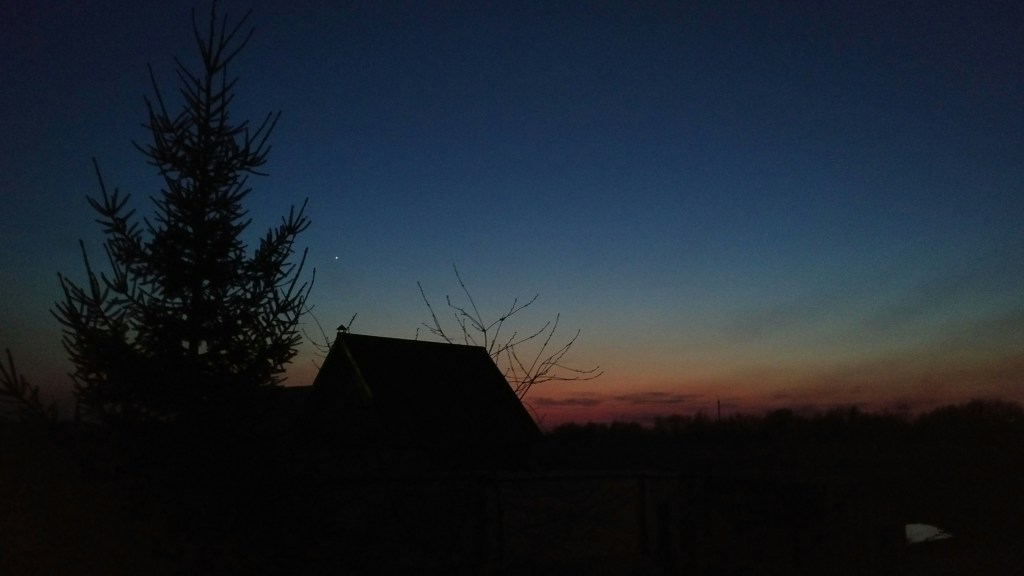
Diana grew up in a house that was never quiet. It was a house of children, of cousins, and of laughter that never fully faded even when the sun went down. It was a house of plates always clattering in the sink, of chairs scraping across the floor, and of aunts calling out names – sometimes the wrong ones, but it didn’t matter because someone always answered.
There was always someone to play with, someone to argue with, and someone to share a meal. When she lost a toy, someone had a better one. When she scraped her knee, someone had a story about a bigger fall, and when the electricity suddenly went out, everyone got together to talk and laugh until it returned.
In the center of it all was Grandmother, the anchor, the matriarch, and the silent but steady force that made sure the house remained full – not just of people, but of food and festivity, of a kind of belonging that Diana thought would never change.
It never occurred to Diana that she was missing anything. Her father’s absence was like a room she never had to enter. The pulse around her was loud enough to fill the space he left behind. There were aunts, uncles, cousins, and neighbours to pick caimite and roast cashew on Sundays, and there was Grandmother, who made Milo balls wrapped in sugar and insisted on getting help with shelling peas while Indian music blared from her Uncle’s big old music box. It was country life – slow, unbothered, and eternal.
Or so Diana believed.
Grandmother was the first to change. At first, it was little things – stories she repeated, keys she forgot, food left too long on the stove, taking the wrong taxi, and the shoes she hid. Then, came the forgetting of familiar faces, places, and the names of people she had raised. There were days she seemed to disappear inside herself, sitting in the same chair, staring at nothing.
The house, still full, began to feel different.
There were whispers behind closed doors, tired sighs over breakfast, and frustrations that hung heavy in the air. Who would take care of her? How long could they manage? The house that once held everyone together now held something else – tension.
Diana didn’t fully understand what was happening. She only knew that the house no longer felt the same and for many years the home changed, tones were different, and people grew up and grew out. Many tried to stay in touch, if only because Grandmother was still around, until one day she wasn’t.
The grief came fast and loud at first – wailing, the kind that shakes walls, bodies, hearts. But soon, grief turned into something else. The tension that filled the air turned to one single question, “What happens now?”
With Grandmother gone, the house was no longer a home – it was a property, and properties, unlike people, can be divided. It started with small disagreements – who should handle what, where things should go. Then came the bigger things – who deserved what, who had done more, who had done less. It was ugly, uglier than Diana ever imagined her family could be.
Laughs that once filled rooms now leaked through cracks of resentment. The house that had once held them could no longer hold them.
And so, one by one, they left.
The cousins who were always there – who filled every moment of Diana’s childhood – drifted into their own lives, their own struggles. The aunts and uncles who once felt like pillars became voices on a phone, some more distant than others, and the house, the one that had always been full of happiness now bore pain and indignation.
Diana hadn’t prepared for this. She had spent her whole life believing that the happiness in that house would follow her, that the people who raised her would always be near. She had imagined an adulthood surrounded by the same warmth she had grown up around.
Life, however, had other plans. Now, her family was just hers – the one she built.
Diana still saw them sometimes – at weddings, at funerals, and at events where people pretended for a few hours that things were the way they used to be, but it was never the same.
There was no house to return to. No long tables filled with laughter. No crowded rooms where friendly gossip and noise blurred together. It was just her and the home she had created with the partner she had chosen and the child she had brought into the world.
A quiet ache accompanied Diana’s acceptance. The ghost of what had been still flashed, a bittersweet reminder of a reality forever out of reach. Yet, she clung fiercely to the tangible warmth of her present connections, the family she had woven with intention and love. Grandmother’s house, a silent witness to so much, had whispered a profound truth into her heart: true belonging wasn’t etched in stone or blood, but found in the unwavering hands of those who chose to stay, and with a sense of both loss and earnest gratitude, she embraced that as enough.
© All rights reserved. No part of this publication may be reproduced without written permission from Caribbean Storyteller.




 Caribbean Storyteller
Leave a comment